Create Garment Trading Adjudicator: Researchers tell UK govt
Feb 28, 2026
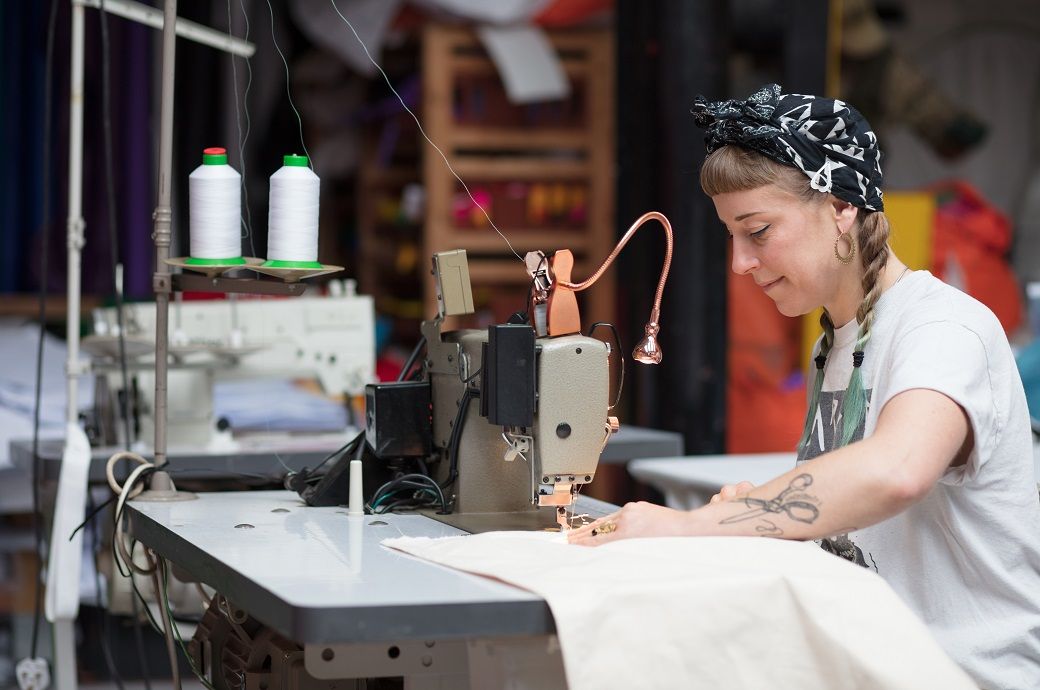
The recommendation follows a survey analysed by researchers from the University of Nottingham and the University of Leicester in collaboration with trade justice charity Transform Trade, which found systemic late payments, last-minute order changes without compensation and post-contract price reductions. Manufacturers reported that such practices shift financial risk from brands and retailers onto suppliers and ultimately workers.
Among respondents, 31 per cent reported order cancellations, while 78 per cent said brands failed to cover costs of last-minute changes to confirmed orders. A further 75 per cent stated prices were not adjusted to reflect minimum wage increases. Additionally, 67 per cent experienced order volumes being reduced without corresponding revisions to unit costs, and 44 per cent faced repeated payment extension requests. Ten per cent reported payments delayed by more than three months beyond agreed terms.
Manufacturers said these pressures had direct workforce consequences, including increased overtime to meet sudden order spikes for 73 per cent of workers, reduced hours following cancellations for 58 per cent, and job terminations for 29 per cent.
The survey also revealed limited confidence in formal dispute mechanisms. Only 22 per cent viewed the legal system as a viable route for redress, and none considered government or multistakeholder initiatives effective. Respondents cited financial and legal barriers, stating that pursuing action against brands was often unaffordable.
Dr Sabina Lawreniuk of the University of Nottingham’s School of Geography said, “Our research shows that current brand purchasing practices directly impact workers, resulting in precarious and insecure work across UK factories. Voluntary codes have proven insufficient. If we are serious about protecting workers and supporting a sustainable UK fashion industry, we need a Garment Trading Adjudicator to enforce fair practices across the sector.”
She added that the findings emphasise the need to rebalance relationships between brands and fashion manufacturers in the UK to support domestic manufacturing, sustainable business models, investment strategies, and to strengthen work and employment in the sector.
Professor Nikolaus Hammer of the University of Leicester also highlighted the importance of rebalancing these relationships to ensure sustainable UK production.
The researchers and Transform Trade said a sector regulator, like the Groceries Code Adjudicator, could help curb unfair purchasing practices and create greater accountability across fashion supply chains.